
Snap just did something nobody else has managed to pull off. At Augmented World Expo 2026 in Long Beach, the company behind Snapchat revealed SPECS, its first consumer-facing augmented reality glasses that work completely on their own, no phone tether, no external compute puck, nothing extra hanging off your face or sitting in your pocket.
Pre-orders are open now at SPECS.COM for $2,195 (around Rs 1,83,000 at current exchange rates), with a $200 refundable deposit. Shipping starts this fall in the US, UK, and France. India is not on the launch list yet.
That price will make most people do a double take. But before you dismiss this as another overpriced tech experiment, it is worth understanding what Snap has actually built here, and why it is genuinely different from anything else on the market today.
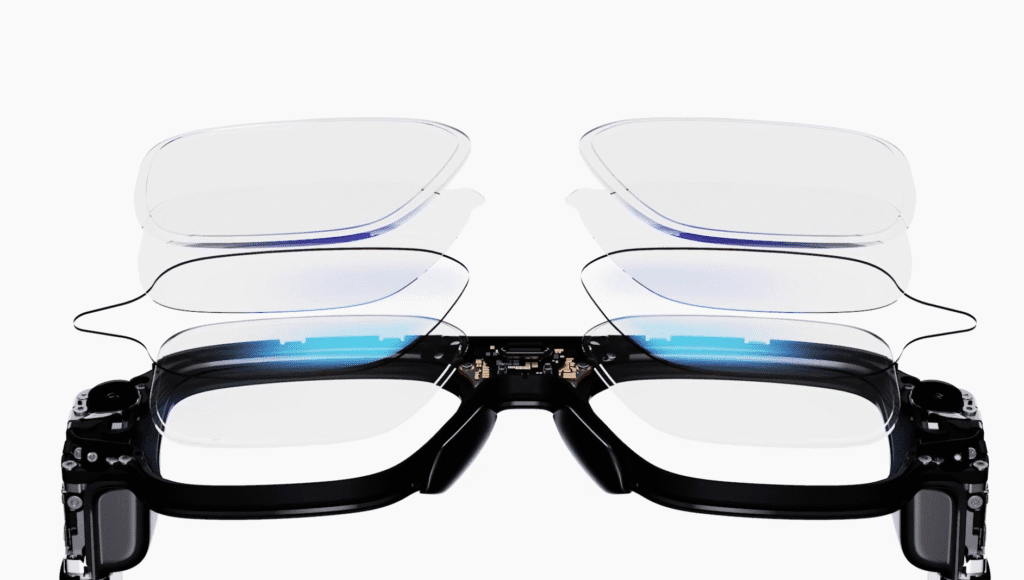
Table of contents
- What Makes SPECS Different From Every Other Smart Glass Out There
- SPECS Technical Specifications
- The Display System Explained
- Two Processors, One Goal
- AI That Can See What You See
- Developer Platform
- Privacy
- SPECS vs Ray-Ban Meta vs Other AR Glasses: Comparison
- What About India?
- Should You Pre-Order SPECS?
- SPECS Pre-Order Details
What Makes SPECS Different From Every Other Smart Glass Out There
Here’s the thing people keep mixing up. Smart glasses and AR glasses are not the same product.
Ray-Ban Meta? No display. Just a camera, speakers, and Meta AI in your ear. That is a great product, but it is not augmented reality. XREAL and Viture? They darken your view so much you essentially lose the real world. They are more like portable cinema screens than glasses you wear around.
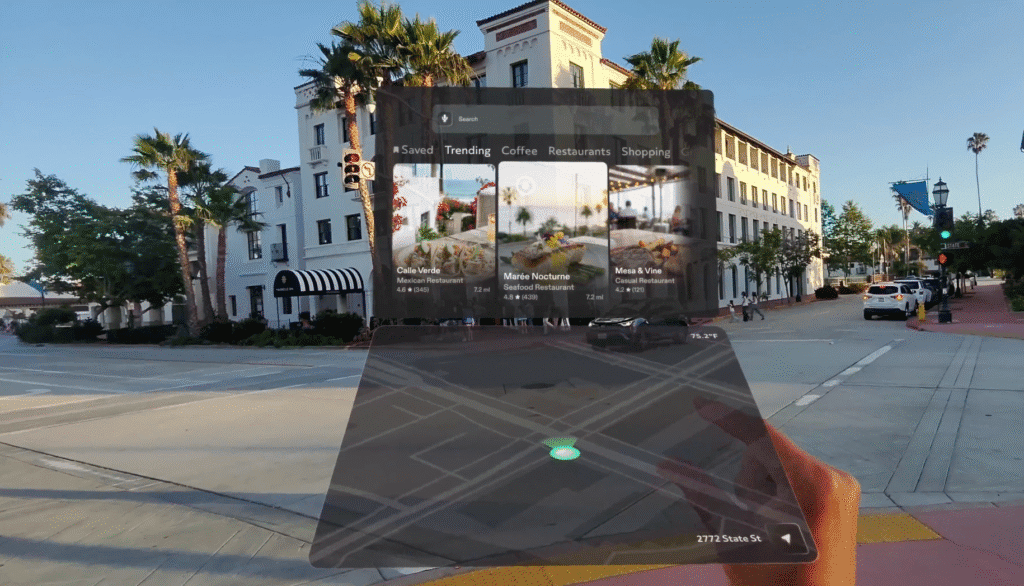
SPECS are true see-through augmented reality glasses. The real world stays visible. Digital content appears layered on top of it, anchored to actual objects and spaces around you. That is the hard problem nobody else has shipped to consumers in 2026.
Snap has been working on this for over a decade and has filed more than 7,000 patents during SPECS development. The company has invested over $3 billion in AR research. This is not a rushed product.
SPECS Technical Specifications
| Feature | Details |
|---|---|
| Display Technology | Proprietary LCoS (Liquid Crystal on Silicon) |
| Field of View | 51 degrees |
| Colors | 16 million |
| Equivalent Screen Size | 24-inch desktop monitor / 115-inch cinema screen at 10 feet |
| Processors | Two Qualcomm Snapdragon chips (one for computer vision, one for Lenses) |
| Motion-to-Photon Latency | 7 milliseconds |
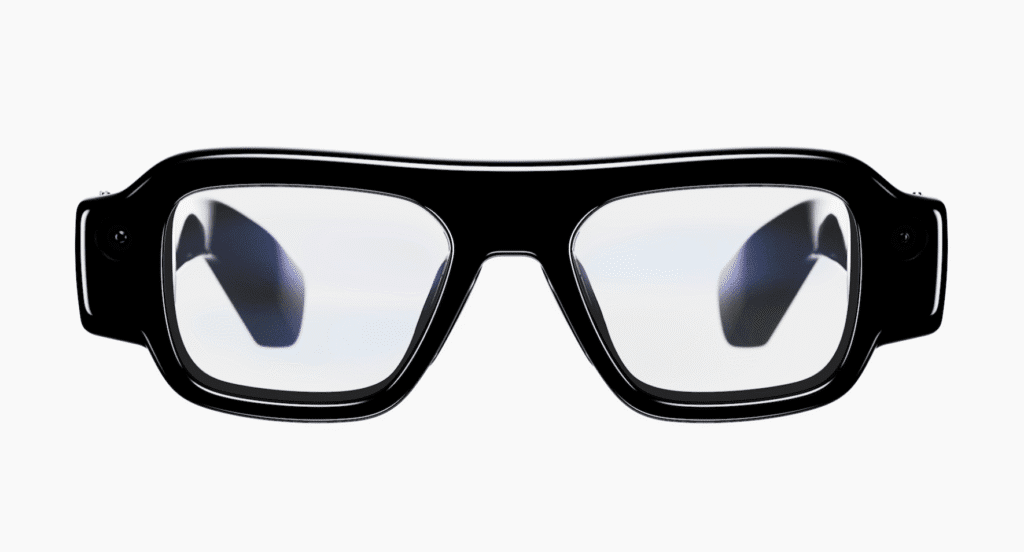
| Frame Sizes | 47 mm (132 g) and 52 mm (136 g) |
| Frame Material | Swiss TR90 polymer |
| Lens Technology | Electrochromic, clear to tinted in 10 seconds |
| Waveguide | Nanostructure-based, same tech as Boeing 787 Dreamliner windows |
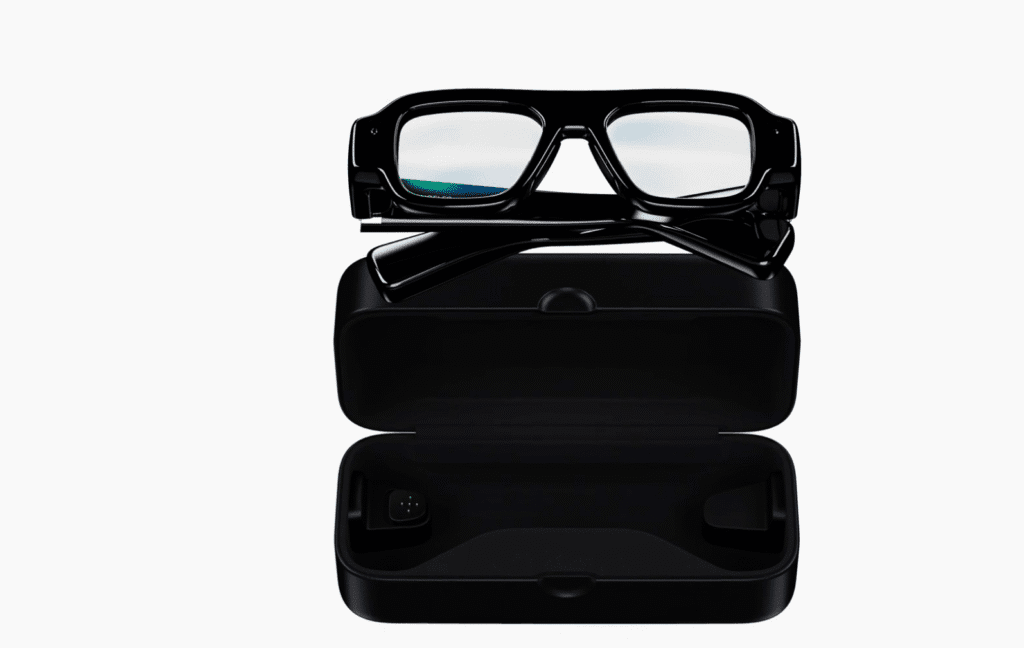
| Battery Life | Up to 4 hours mixed use |
| Total with Case | Up to 20 hours |
| Prescription Support | Yes, via removable inserts |
| Price | $2,195 (approx. Rs 1,83,000) |
| Deposit to Pre-order | $200 refundable |
| Availability | US, UK, France (Fall 2026) |
The 7ms motion-to-photon latency is the spec that matters most for comfort. High latency in AR causes nausea. Snap claims this figure was verified using robotic measurement systems, not just internal testing.
The Display System Explained
Snap redesigned its waveguide technology from scratch for SPECS. The new waveguide uses billions of nanostructures so small that more than 10,000 can fit on the tip of a single hair. That level of precision is what allows a clear, unobstructed view of the real world while still projecting bright digital content.
The electrochromic lenses are worth calling out separately. They shift from completely clear to tinted in 10 seconds. This is the same Boeing 787 Dreamliner window technology applied to eyewear. Walking from indoors to harsh sunlight, the glasses adjust without you touching anything.
The display equivalent of a 115-inch screen at 10 feet comes from the 51-degree field of view, which is 30 percent larger than what Snap’s previous developer-only Spectacles 5 offered.
Two Processors, One Goal
SPECS run on dual Qualcomm Snapdragon chips. The split is deliberate: one processor handles continuous computer vision tasks like hand tracking and spatial understanding, while the second runs the AR experiences called Lenses.
Why does this matter? Because AR requires the device to understand the physical world in real time while simultaneously rendering digital content on top of it. Doing both on a single chip creates compromises. Splitting the workload means faster tracking, lower latency, and more responsive interactions.
Hand tracking works without controllers. You interact with SPECS by moving your hands naturally.
AI That Can See What You See
The pitch here is different from a chatbot. With SPECS, AI assistance is contextual and spatial. The glasses see what you see. That means directions can appear exactly where you need them as you walk, measurements happen without pulling out a tape measure, and help with a task shows up in your field of view while your hands stay free.
Snap is integrating this AI layer directly into the AR experiences. Developers can build Lenses that respond intelligently to real-world objects and environments. That is a fundamentally different type of AI interaction compared to asking a text box a question.
Developer Platform
Snap has shipped 10 Snap OS updates over the past year and a half, adding more than 40 new APIs. Hundreds of Lenses are already published for SPECS hardware.
New developer tools announced at AWE 2026 include:
- Agentic development for Lens Studio via Claude Code, Codex, and Cursor (developer preview)
- SPECS Spatial Benchmark for performance testing
- Migration Agent to help port existing projects
- Native Development Kit allowing developers to bring their own code and libraries into Lens Studio
The agentic development preview through Claude Code is particularly significant. It means developers can describe what they want to build in natural language and have AI write the Lens code.
Privacy
Snap built a hardware privacy indicator directly into SPECS. An LED indicator lights up whenever recording is active, visible to people around you. The glasses prioritize on-device processing and give users control over what gets stored, synced, or deleted. Sensitive data access requires explicit permission before the glasses act on it.
This is not an afterthought. Snap made this a design principle from the start, partly because wearable cameras on your face require a different level of social trust than a phone camera.
SPECS vs Ray-Ban Meta vs Other AR Glasses: Comparison
| Feature | Snap SPECS | Ray-Ban Meta (Gen 1) | XREAL / Viture |
|---|---|---|---|
| True AR Display | Yes, see-through | No display | Darkened pass-through |
| Standalone | Yes | Requires phone | Requires phone |
| AI Assistant | Yes, contextual | Meta AI (voice) | Limited |
| Hand Tracking | Yes | No | No |
| Field of View | 51 degrees | N/A | Varies (varies ~46 degrees) |
| Battery | 4 hours (20 with case) | 4 hours | 3-4 hours |
| Weight (approx.) | 132-136 g | 51 g | Heavier/varies |
| Price | $2,195 (Rs 1,83,000) | Rs 29,990 onwards | Rs 25,000-70,000 |
| India Availability | Not announced | Available now | Available |
What About India?
SPECS will not ship to India in its first wave. The fall 2026 launch covers the US, UK, and France only. No official India pricing, no India pre-order, and no Amazon.in listing exists at this time.
If you are in India and want to pre-order, your only option is through SPECS.COM directly, and you would need to arrange international shipping independently.
For Indian buyers looking for AI smart glasses available right now, the Ray-Ban Meta Gen 1 is the closest mainstream option. It is genuinely available on Amazon.in starting at Rs 29,990. It does not have an AR display, but the Meta AI integration, camera, and audio system are polished and work well in India. You can check current pricing and variants here: Ray-Ban Meta Smart Glasses on Amazon.in
For a wider selection of Ray-Ban Meta variants: Browse all Ray-Ban Meta glasses on Amazon.in
Should You Pre-Order SPECS?
If you are genuinely interested in true spatial AR and you are based in the US, UK, or France, the $200 deposit is refundable. There is no financial risk in reserving your spot.
But be realistic about what you are buying. SPECS are first-generation consumer hardware in a category that has never shipped to the public before. The battery runs four hours. The weight is 132 to 136 grams, which is heavier than regular glasses. Resolution, brightness, and refresh rate specs have not been published yet.
The comparison Snap makes to a 24-inch monitor and a 115-inch cinema screen comes from the field of view, not from pixel density figures. Until independent reviewers get hands-on time and confirm real-world display quality, some caution is warranted.
For most people, Rs 1,83,000-plus for a first-generation device that does not ship to India, with limited real-world review data available, is a wait-and-see situation. Watch what early US reviewers say when units ship this fall.
For those who want AI-powered smart glasses in India today, Ray-Ban Meta remains the practical choice.
SPECS Pre-Order Details
| Item | Detail |
|---|---|
| Price | $2,195 |
| Refundable Deposit | $200 |
| Pre-Order Link | SPECS.COM |
| Expected Shipping | Fall 2026 |
| Launch Markets | US, UK, France |
| India Availability | Not announced |