
Tata Motors has finally pulled the wraps off the Tata Sierra EV, and the wait turns out to have been worth it for buyers chasing a feature-rich electric SUV with proper off-road chops. Priced from Rs 18.79 lakh (ex-showroom), the electric SUV becomes the seventh model in Tata’s growing EV lineup and the second Tata electric car after the Harrier EV to offer all-wheel drive. Bookings are open right now, and the company says deliveries begin from July 15.
What makes this launch interesting is how Tata has positioned the Sierra EV. It does not directly replace the Curvv EV as the brand’s mid-size electric SUV contender. Instead, it slots in as a more premium offering, going up against the Mahindra BE 6, Hyundai Creta Electric, Maruti Suzuki e Vitara and the Vinfast VF6, while undercutting the larger Harrier EV on price.
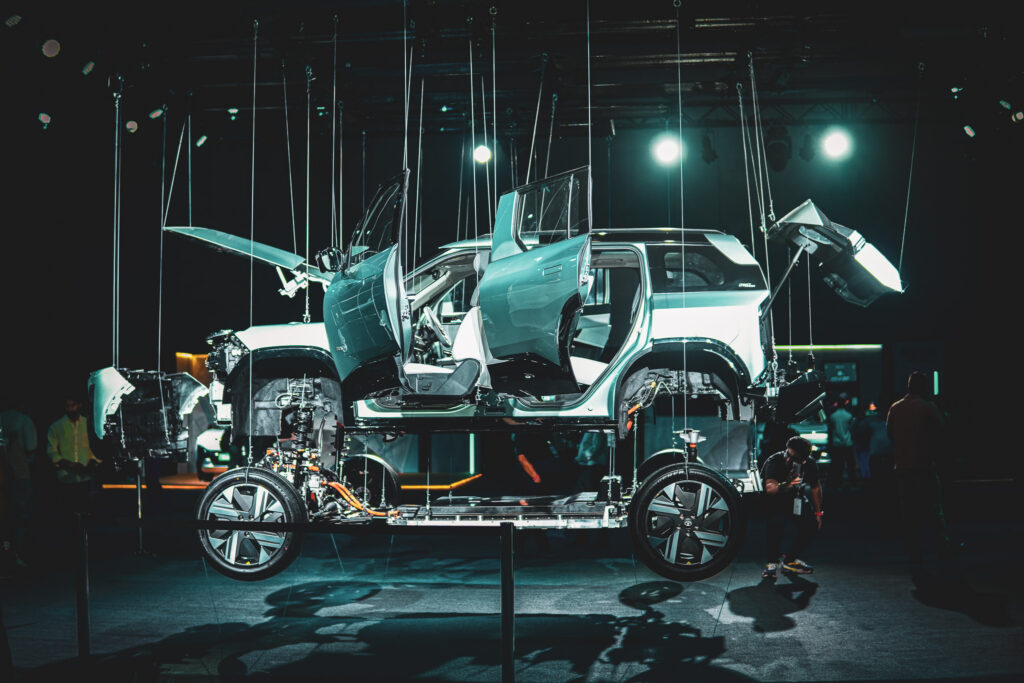
Table of contents
Tata Sierra EV Price in India: Full Variant-Wise List
The pricing sits on the higher end of the electric mid-size SUV segment. It’s close to the BE 6’s range and noticeably pricier than the Creta Electric. Here’s the complete breakdown across battery options and drivetrains.
| Variant | 63kWh RWD | 75kWh RWD | 75kWh AWD |
|---|---|---|---|
| Pure | Rs 18.79 lakh | – | – |
| Pure S | Rs 19.99 lakh | – | – |
| Adventure | Rs 20.99 lakh | Rs 22.19 lakh | – |
| Empowered | Rs 22.79 lakh | Rs 23.79 lakh | – |
| Empowered A | – | Rs 24.79 lakh | Rs 25.99 lakh |
All prices are ex-showroom, India. A 7.2kW home charger plus installation costs an additional Rs 49,000.
For context, the Sierra EV costs Rs 1.8 lakh to Rs 6.8 lakh more than the Curvv EV (Rs 16.99 lakh to Rs 19.19 lakh), but it undercuts the Harrier EV (Rs 21.49 lakh to Rs 28.99 lakh) by roughly Rs 2.7 lakh to Rs 3 lakh. So Tata has carved out a clear middle ground here, and honestly, that gap needed filling.
Battery, Range and Performance
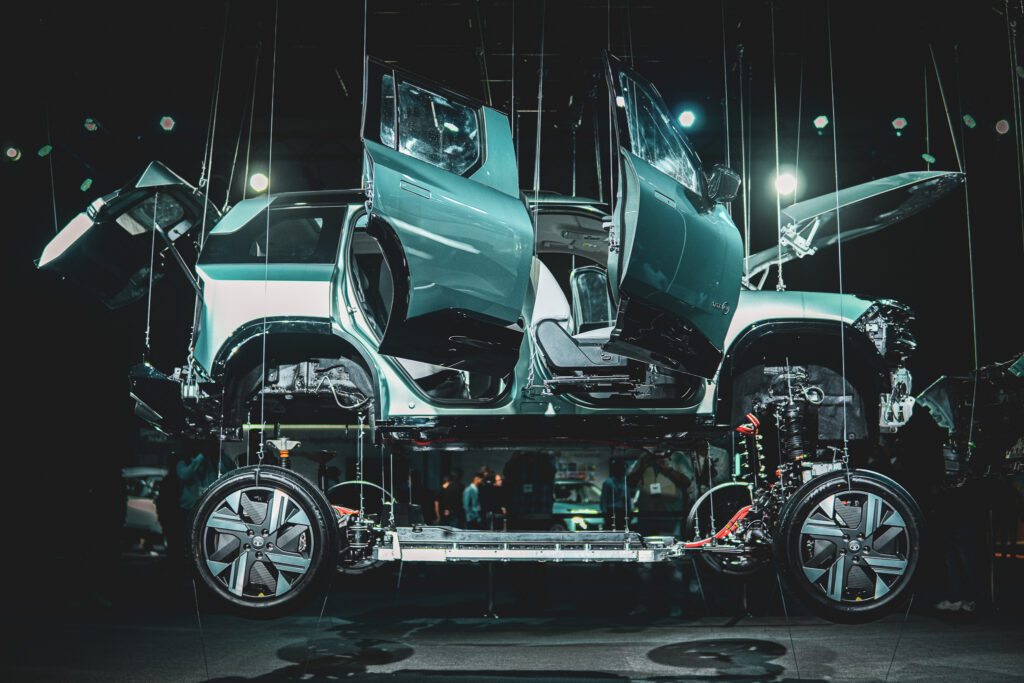
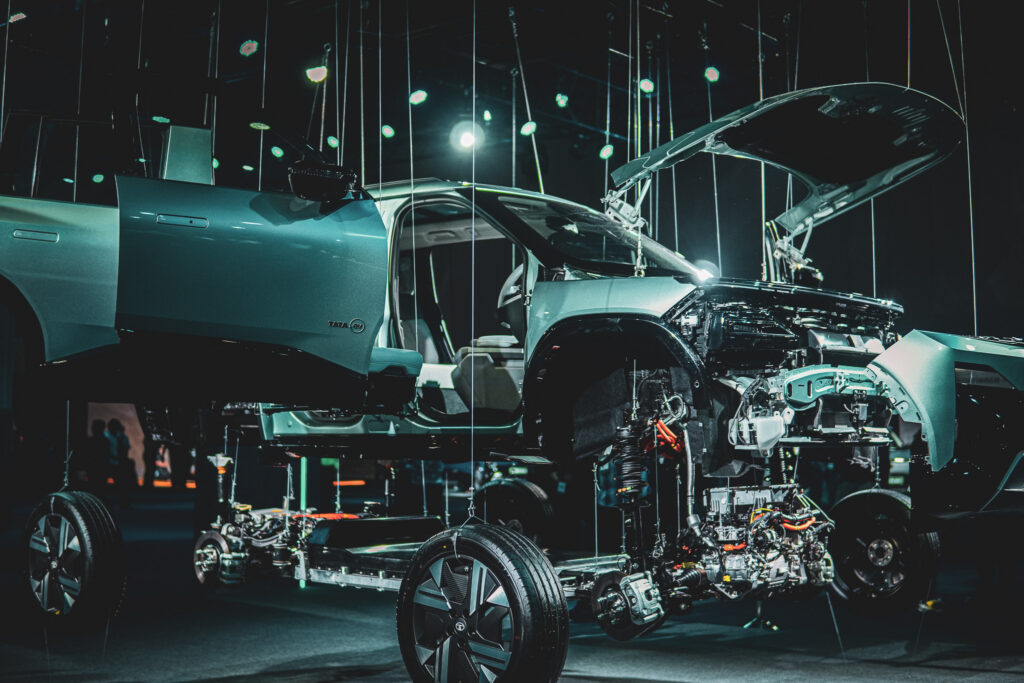
This is where things get genuinely impressive. The Sierra EV rides on Tata’s Acti.ev+ platform, sharing its TiDAL E&E architecture with the Harrier EV. Two battery packs are on offer: a 63kWh unit and a larger 75kWh pack, both driving a single rear-mounted motor as standard. Here’s the twist though, the smaller 63kWh battery actually produces more power (238hp) than the standard 75kWh RWD variant (209hp).
Pick the top-spec 75kWh pack and you can opt for the QWD dual-motor AWD layout, which adds a 140hp front motor for a combined output of 504Nm of torque. With Boost Mode switched on, Tata claims the AWD variant sprints from 0 to 100kmph in just 5.8 seconds, a number that would embarrass several hot hatches.
On the range front, Tata’s MIDC-certified figures read as follows:
| Variant | Claimed Range |
|---|---|
| 75kWh RWD | 665 km |
| 75kWh AWD | 624 km |
| 63kWh RWD | 535 km |
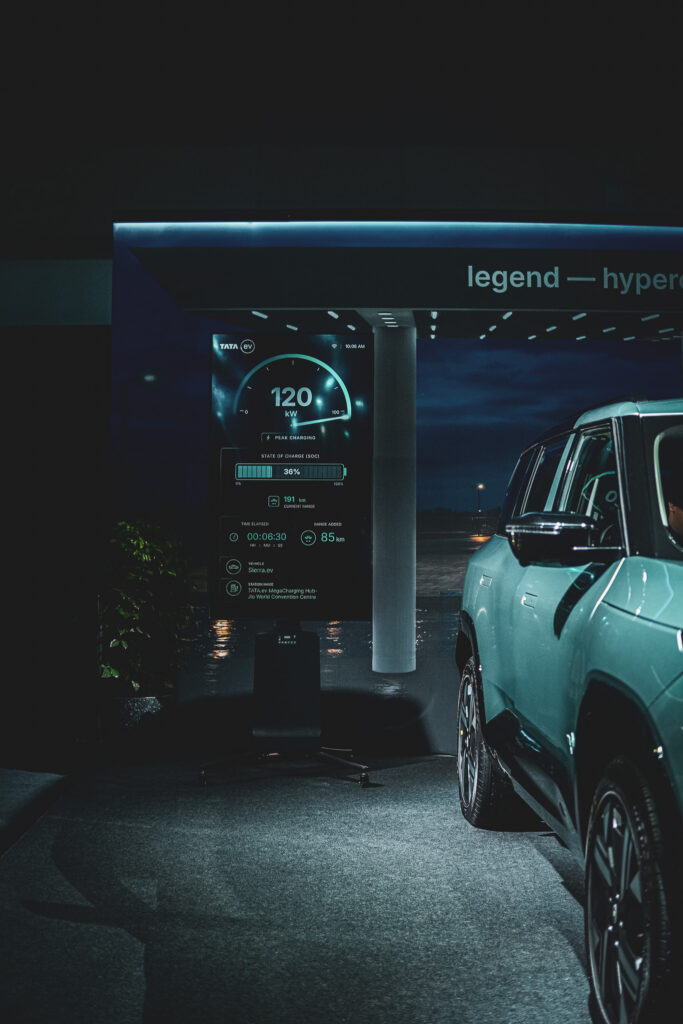
Charging is equally strong on paper. Using a 120kW DC fast charger, Tata claims up to 263km of range added in just 15 minutes, with a 20 to 80 percent top-up taking around 26 minutes. On regular 7.2kW AC charging, a full 10 to 100 percent charge takes 8.9 hours for the 63kWh battery and 10.5 hours for the 75kWh unit. The battery itself comes with what Tata calls a lifetime warranty, which in practical terms means 15 years from the date of first registration.
If you’re planning to set up home charging for the Sierra EV, having a fast portable charger on hand genuinely changes the daily routine compared to relying on the bundled unit. A 7.2kW portable EV charger with adjustable current and IP67 waterproofing is a sensible accessory to pair with the car, since it lets you top up faster than a standard charger without needing a dedicated wallbox installation right away.
Design: Familiar Silhouette, EV-Specific Touches
Park the Sierra EV next to its ICE sibling and you’d need a second glance to spot the differences. Tata has kept the upright stance, the large glasshouse and that boxy, retro-inspired profile that made the original Sierra such a memorable nameplate back in the day. But look closer and the EV gets its own identity.
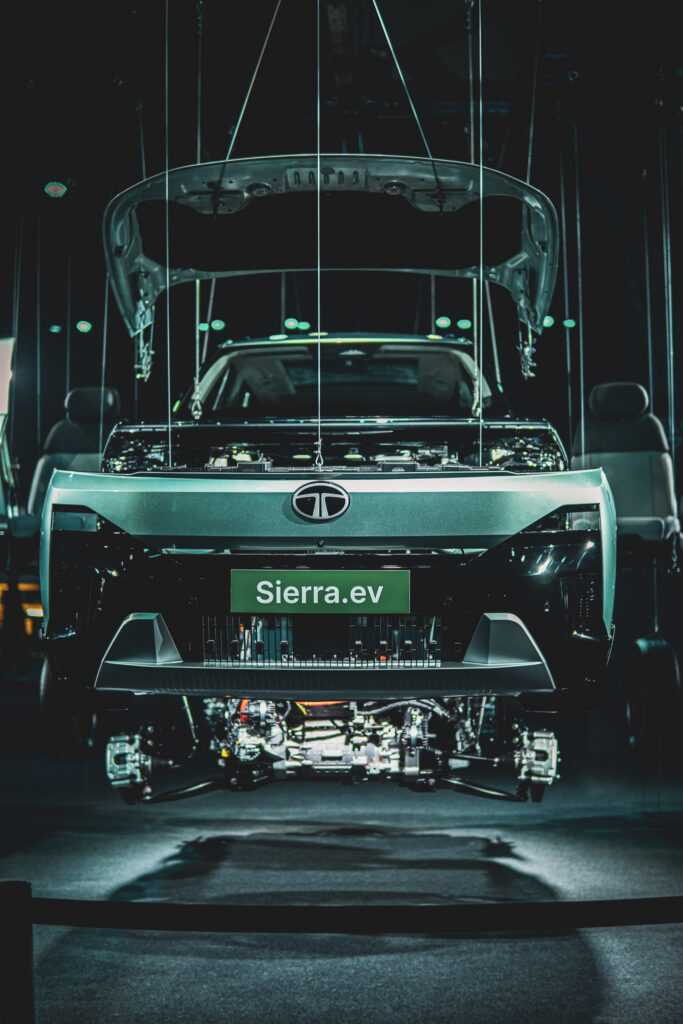
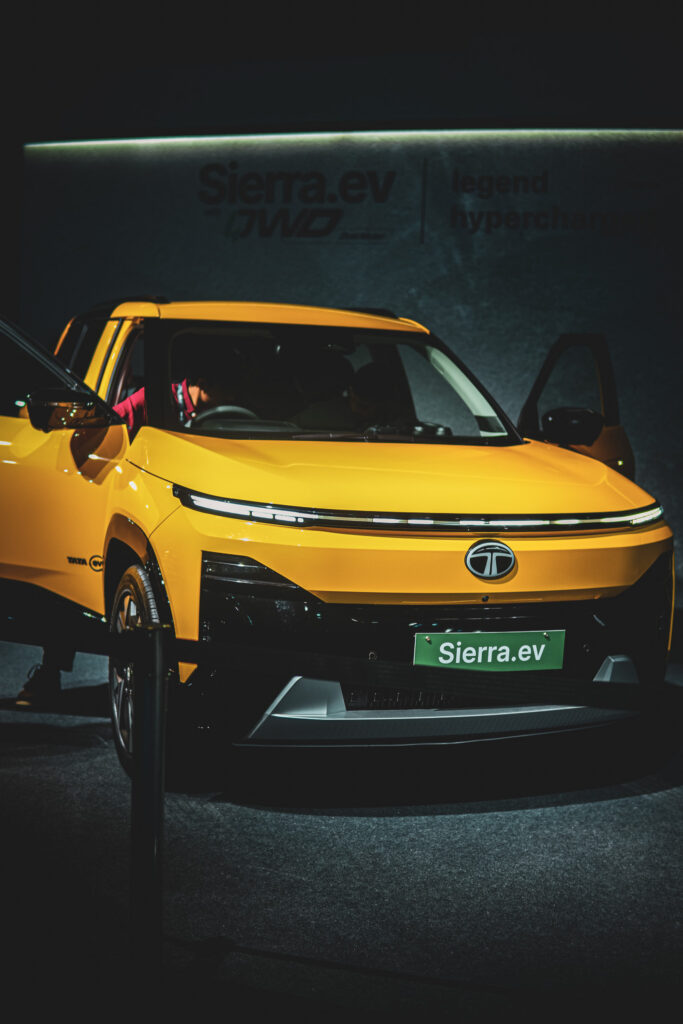
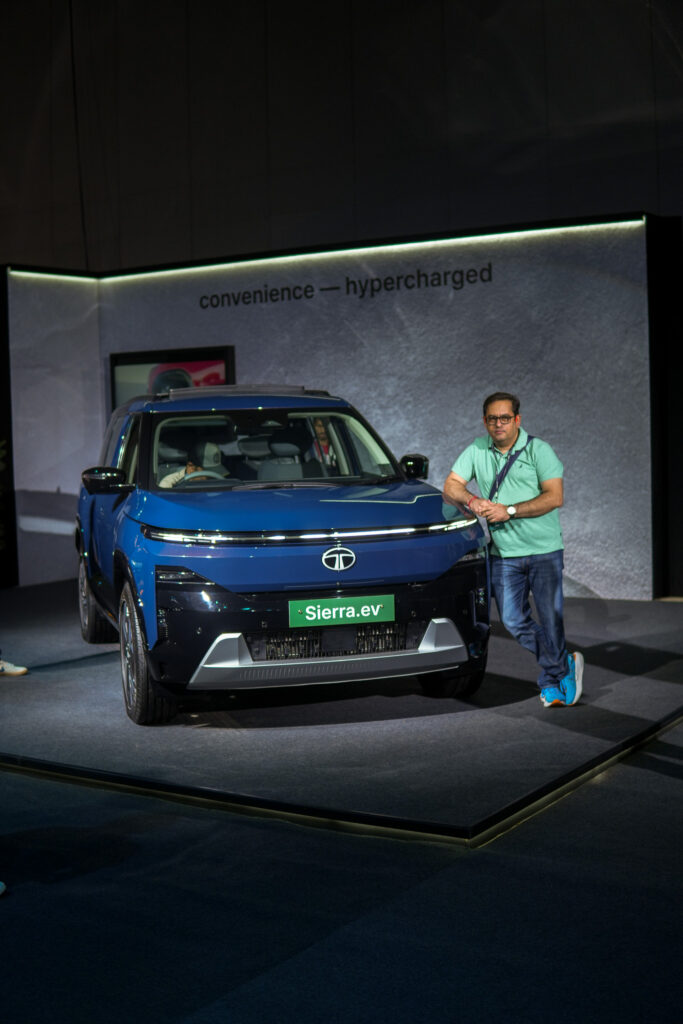
The front fascia ditches the full-width blacked-out section between the headlamps and light bar that the ICE version carries, and there’s no ‘SIERRA’ badge above the Tata emblem anymore. The front bumper also picks up considerably more gloss black trim. Side and rear are largely unchanged save for EV-specific badging. Wheels run from 18-inch alloys on lower trims to 19-inch units higher up the range, and ground clearance is rated at a useful 205mm, which should keep most speed breakers and rutted lanes from becoming a problem.
Interior, Boot Space and Features
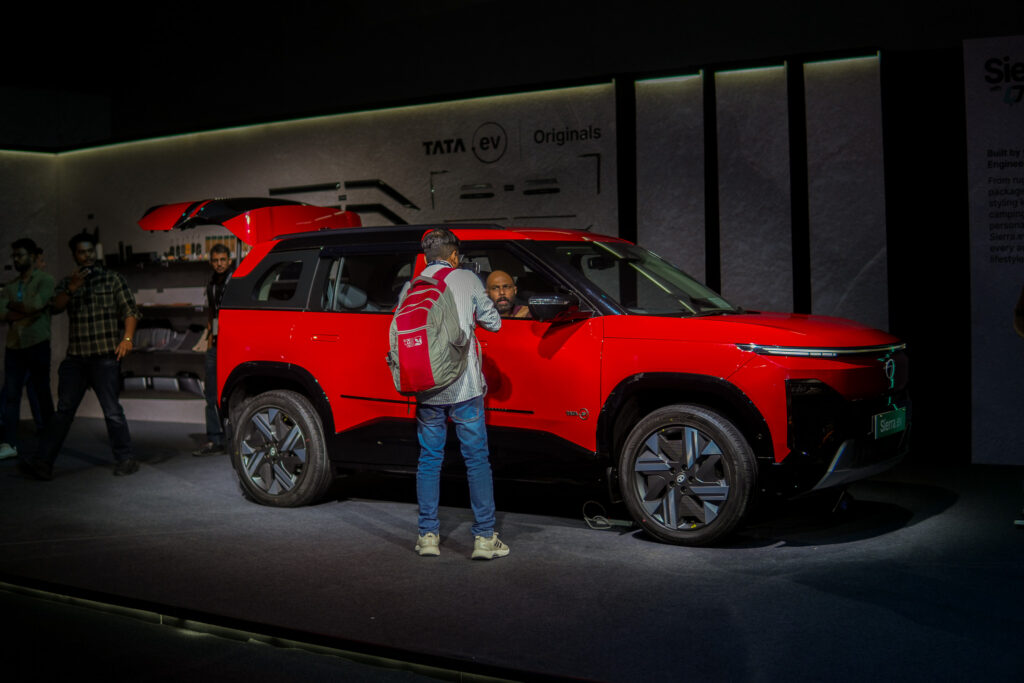
Step inside and it’s basically the same spacious, feature-loaded cabin as the ICE Sierra, just with a slightly different colour palette depending on variant. Boot space is rated at 622 litres (measured to the roof) or 450 litres up to the parcel shelf, and folding the rear seats down opens up a cavernous 1,257 litres of total luggage room. That’s a number most family SUV buyers will appreciate.
Key features across the range include:
- Triple-screen setup: a 12.3-inch touchscreen, 10.25-inch driver display, and a 12.3-inch front passenger display
- 12-speaker JBL Black sound system with Dolby Atmos
- Panoramic sunroof, billed as the segment’s largest
- Dual-zone automatic climate control with a cabin air purifier
- Ventilated and powered front seats, including a 4-way powered co-driver seat
- Level 2 ADAS with 22 features, including Intelligent Speed Assist
- 540-degree HD surround view camera system with adaptive front and rear turn cameras
- e-Valet auto park assist that can park, summon and retrace the vehicle’s path on its own
- Wireless Android Auto and Apple CarPlay, plus an iRA.ev connected suite with 70-odd features and 4 years of complimentary 5G connectivity
- 6 airbags as standard, V2L and V2V functionality, and a DrivePay in-car payment feature borrowed from the Harrier EV
The AWD variant goes a step further for buyers who actually want to take their EV off the beaten path, adding six terrain modes (Normal, Grass/Snow, Mud/Gravel, Sand, Rock Crawl and Custom), a low-speed cruise control function, and an off-road assist mode.
A set of good quality microfiber detailing cloths is genuinely worth keeping in the boot for a car with this much glass area and gloss black trim, since both attract dust and fingerprints rather quickly.
Rivals: Who Does the Sierra EV Compete With
Once deliveries begin, the Sierra EV finds itself up against a fairly stacked field of premium electric SUVs in India:
- Mahindra BE 6
- Hyundai Creta Electric
- MG Windsor
- Maruti e Vitara
- Toyota Urban Cruiser EV
It also indirectly competes with its own sibling, the Tata Curvv EV, on the lower end, and the Harrier EV on the upper end, giving Tata a genuinely wide spread across the electric SUV price ladder now.
Should You Book the Tata Sierra EV?
If retro-inspired design, segment-leading range figures and a properly loaded feature list matter more to you than chasing the lowest possible price tag, the Sierra EV makes a strong case for itself. The AWD variant in particular, with its 504Nm torque output and genuine off-road modes, is something none of its direct rivals currently offer at this price point. Buyers who simply want the most affordable Tata EV with a similar shape should still consider the Curvv EV, which remains notably cheaper.
Bookings for the Tata Sierra EV are open across Tata showrooms and the company’s official website, with deliveries scheduled to start from July 15.