
A good camera phone should capture clear family photos in low light and zoom in on distant subjects. Xiaomi’s Diwali 2026 camera-phone selection covers both, from the REDMI Note 17 Pro to the Xiaomi 17 Ultra. The important difference is the camera hardware behind the price: a main-camera crop, a dedicated telephoto or a mechanically adjustable zoom lens.
Table of contents
- Xiaomi Camera Phone Prices for Diwali 2026
- Camera Specifications at a Glance
- Xiaomi 17 Ultra: The Most Flexible Telephoto
- Xiaomi 17T: A Dedicated 5x Periscope Camera
- Xiaomi 17: A Shorter Telephoto for Portraits
- REDMI Note 17 Pro: The Lower-Cost Choice
- REDMI Note 17 Pro Max: Portraits and 4K Video
- Optical Zoom, In-Sensor Zoom and AI Zoom
- What Matters for Festive Night Photos
- Which Xiaomi Camera Phone Fits Your Needs?
Xiaomi Camera Phone Prices for Diwali 2026
Xiaomi quotes the following starting festive net effective prices, or NEPs, in its October 26 camera-phone announcement. These are promotional effective figures, not unconditional prices for every buyer. The announcement does not specify the qualifying bank, exchange or coupon terms, storage variants, or an offer end date.
| Phone | Announced festive NEP |
|---|---|
| REDMI Note 17 Pro 5G | ₹33,999 onwards |
| REDMI Note 17 Pro Max 5G | ₹44,999 onwards |
| Xiaomi 17T | ₹64,999 onwards |
| Xiaomi 17 | ₹79,999 onwards |
| Xiaomi 17 Ultra | ₹1,29,999 onwards |
The camera selection differs from the wider REDMI Diwali phone roundup, which also covers everyday-use and performance-focused models. Here, the emphasis is on focal lengths, portraits and the limits of each zoom system.
Camera Specifications at a Glance
| Phone | Key camera hardware |
|---|---|
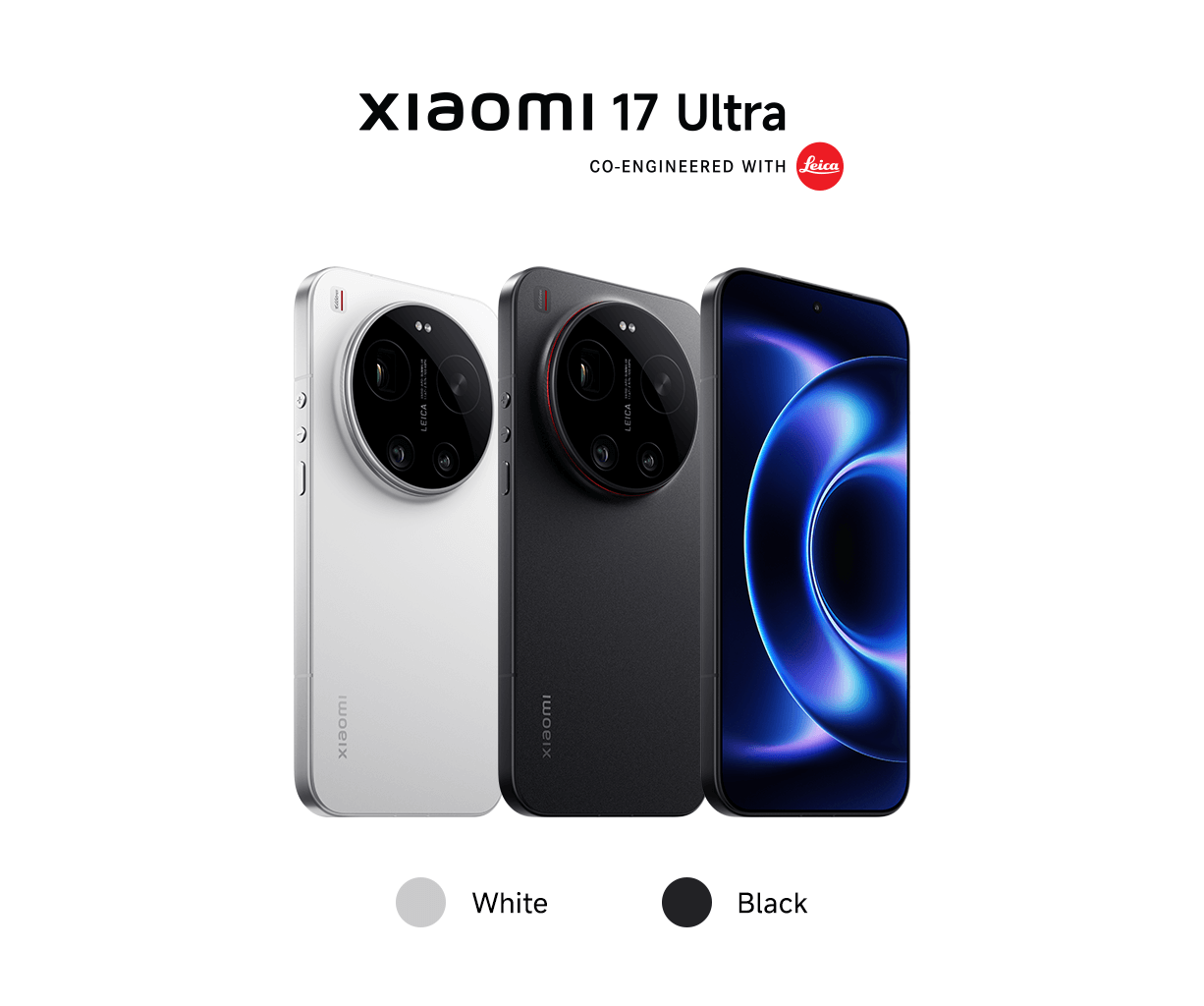
| Xiaomi 17 Ultra | 50MP 1-inch main; 200MP 75–100mm telephoto; 50MP ultra-wide |
| Xiaomi 17T | 50MP main with OIS; 50MP 5x periscope; 12MP ultra-wide |
| Xiaomi 17 | 50MP main with OIS; 50MP 60mm telephoto; 50MP ultra-wide |
| REDMI Note 17 Pro | 50MP f/1.8 main camera |
| REDMI Note 17 Pro Max | 50MP f/1.5 main with OIS; 2x in-sensor zoom; 32MP front |
Xiaomi 17 Ultra: The Most Flexible Telephoto
The Xiaomi 17 Ultra has the most elaborate rear camera system in this group. Its 50MP main camera uses a 1-inch-type Light Fusion 1050L sensor and LOFIC HDR technology. The aim is to retain detail across bright and dark areas, a relevant challenge when lamps sit beside dimly lit faces.
The 200MP Leica telephoto offers mechanical optical zoom from 75mm to 100mm. Xiaomi also advertises up to 17.2x “optical-level” zoom, but that figure must not be confused with the lens’s mechanical zoom range. A 50MP ultra-wide camera covers wider scenes.
This is the model to shortlist if the flexibility of the camera system justifies the much higher cost. The sensor specification alone does not establish how every night photograph will look. Exposure, subject movement and image processing still affect the result.
Check out Xiaomi 17 Ultra.
Xiaomi 17T: A Dedicated 5x Periscope Camera
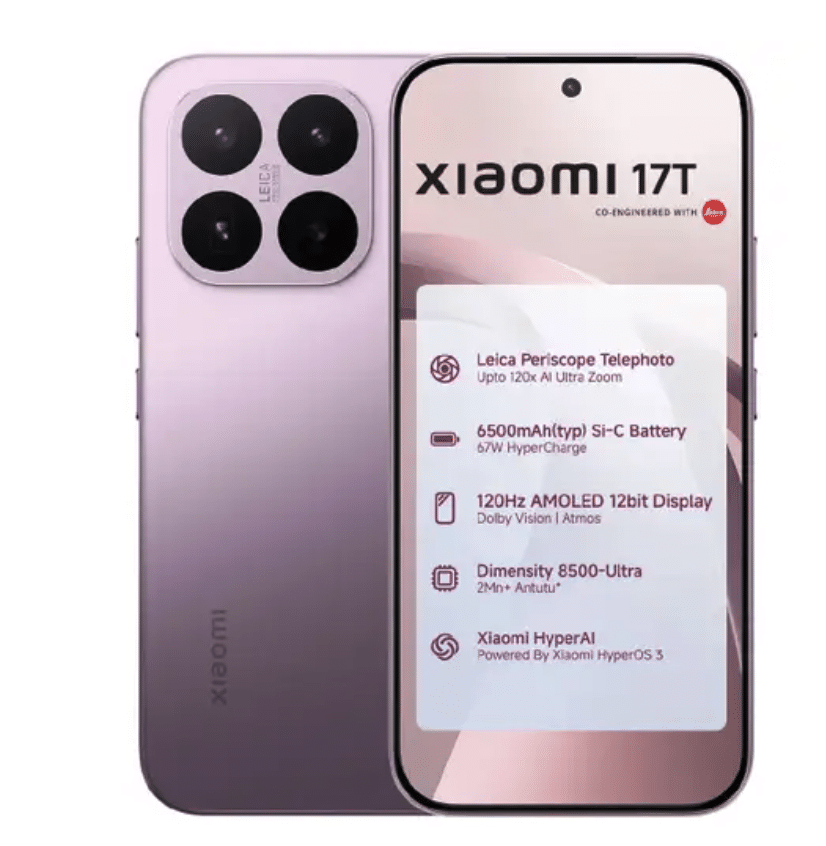
The Xiaomi 17T offers a 50MP Leica periscope camera with 5x optical zoom and a 115mm equivalent focal length. That longer view helps frame subjects when moving closer is difficult. The camera has OIS, which compensates for some hand movement.
A 50MP Light Fusion 800 main camera with OIS and a 12MP ultra-wide complete the rear setup. Xiaomi’s 120x AI zoom is a separate computational mode, not 120x optical magnification. Do not expect the same level of captured detail throughout that range.
The dedicated 5x lens is the main reason to choose this model over a phone that relies on cropping its main camera. The earlier Xiaomi 17T launch coverage explains the rest of its hardware.
Check out Xiaomi 17T.
Xiaomi 17: A Shorter Telephoto for Portraits
The Xiaomi 17 uses a 50MP Light Fusion 950 main camera with a 1/1.31-inch sensor and OIS. Xiaomi lists a 13.5EV native dynamic range, a specification related to the spread of brightness the sensor can record. It is not a guarantee that every high-contrast scene will retain all detail.
Its 50MP floating telephoto has a 60mm equivalent focal length, shorter than the 17T’s 115mm lens. That gives a different framing option for portraits and close-up subjects. A 50MP ultra-wide handles broader views. Choose the focal length that matches the photographs you take, rather than judging the cameras by price alone.
REDMI Note 17 Pro: The Lower-Cost Choice
The REDMI Note 17 Pro 5G is the least expensive model in this selection at Xiaomi’s quoted festive NEP. Its main camera is a 50MP unit with an f/1.8 aperture. Live Moment adds motion to still captures, while Dual Video provides another recording option.
AI Erase Pro, AI Glare Removal and AI Beautify are editing tools. They can alter the finished photograph, but they do not add a dedicated telephoto lens. The 12-bit TrueColour AMOLED display concerns how images are shown on the screen; it does not make the camera sensor a higher-resolution unit.
REDMI Note 17 Pro Max: Portraits and 4K Video

The REDMI Note 17 Pro Max 5G has a 50MP f/1.5 main camera with OIS. The model supports 4K video with OIS and EIS, and has a 32MP front camera. Optical stabilisation works with camera hardware; electronic stabilisation adjusts the recorded image to reduce visible shake. Neither can freeze a moving subject in every situation.
Its 2x optical-grade in-sensor zoom uses the main sensor for tighter framing. This is different from the separate periscope camera on the 17T. HDR High Dynamic Portrait and Night Portrait provide additional portrait modes, alongside the AI editing tools.
The REDMI Note 17 Pro Max overview covers the battery and other features beyond photography.
Optical Zoom, In-Sensor Zoom and AI Zoom
| Zoom type | What it means |
|---|---|
| Dedicated optical telephoto | A separate lens provides a tighter view, such as the 17T’s 5x camera. |
| Mechanical optical zoom | Lens movement changes focal length, as on the Ultra’s 75–100mm unit. |
| In-sensor zoom | A crop from the main sensor provides tighter framing. |
| AI zoom | Processing contributes to the enlarged image; it is not extra optical reach. |
What Matters for Festive Night Photos
For a group beside festive lights, a main camera or ultra-wide may fit the scene better than a long telephoto. For a distant performance, optical reach matters more. Keep the phone steady and allow room for people to move; OIS reduces camera shake, not the movement of a person in the frame.
Which Xiaomi Camera Phone Fits Your Needs?
Shortlist the 17 Ultra for its large main sensor and adjustable telephoto, or the 17T when a dedicated 5x camera is the priority. The Xiaomi 17 offers a shorter 60mm portrait perspective. The REDMI Note 17 Pro keeps the quoted entry cost lower, while the Pro Max adds its stated stabilised 4K and portrait features.
If most photographs are everyday main-camera shots, paying for the Ultra’s telephoto system may bring little practical value. If distant subjects are a regular part of your photography, a dedicated optical lens is a more relevant distinction than AI zoom numbers or the megapixel count alone.